
He sees the case through himself
The person who diagnoses your tooth is the person who treats it. You are not handed to an assistant halfway through, and you do not explain your history twice.
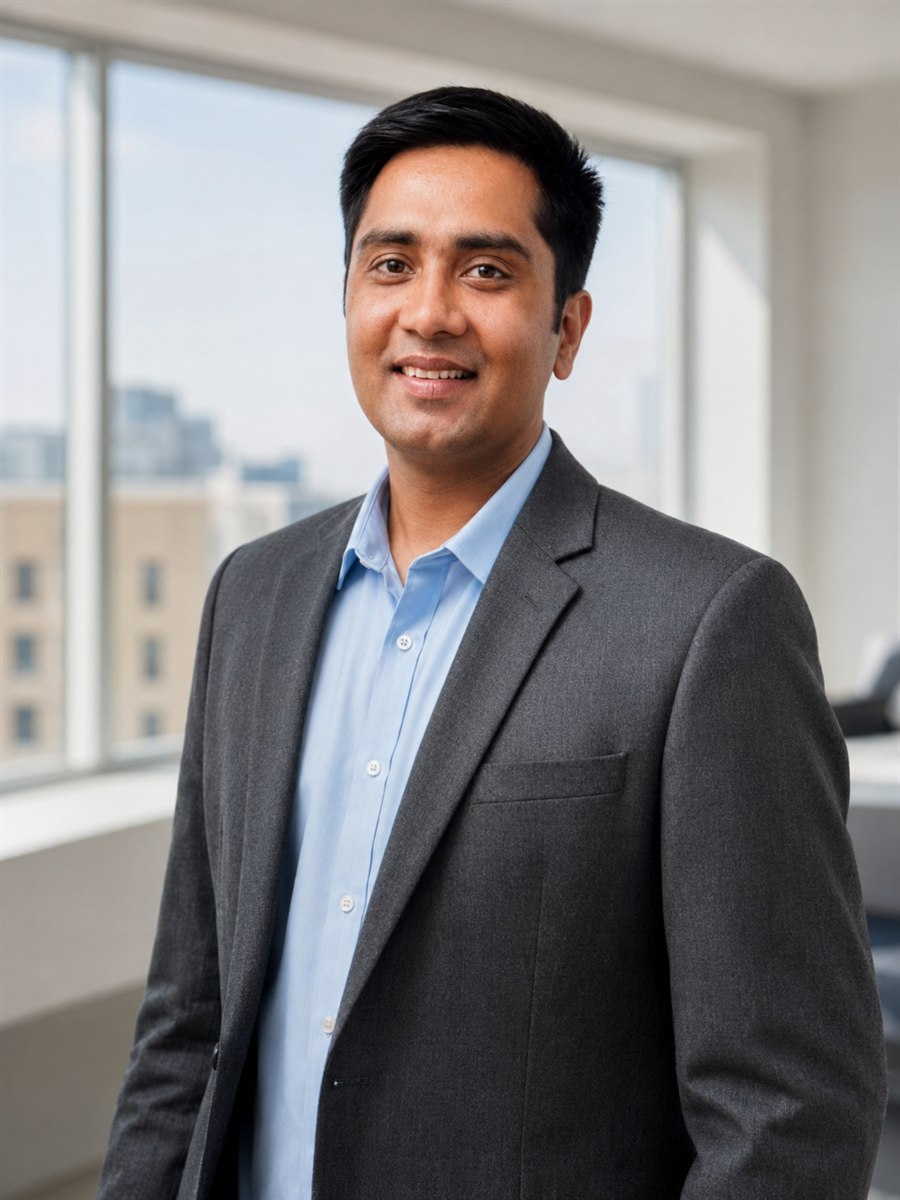
His philosophy
Nothing replaces a natural tooth as well as the natural tooth.
An implant is a good piece of engineering and a crown is a good repair, but both are replacements. A tooth kept in the jaw keeps its own ligament, its own bone and its own feedback — you feel how hard you are biting. That is not recoverable once the tooth is gone.
Dr. Malik trained as a micro endodontist because that is the specialty whose entire purpose is keeping teeth that other people would remove. It is technique sensitive, it needs magnification, and it is often harder than the alternative. It is also, most of the time, the right answer.
In practice
Four things that shape every appointment.
The person who diagnoses your tooth is the person who treats it. You are not handed to an assistant halfway through, and you do not explain your history twice.
An examination and an X-ray come first, and you are shown what they show. Treatment that starts before the cause is established tends to be treatment done twice.
The estimate comes before consent, not after treatment. If a case turns out to need an extra visit, you hear it at the point it changes — not on the bill.
Curved canals, calcified canals, a root canal done elsewhere that failed. These are the cases the clinic is equipped for, so they are not referred on and not converted into an extraction.
Dental college and DCI registration number are deliberately not listed until the clinic confirms them.
Second opinions
If a dentist has told you a tooth has to come out, that is exactly the case worth a second opinion — before it does. Bring the X-ray and the quote.